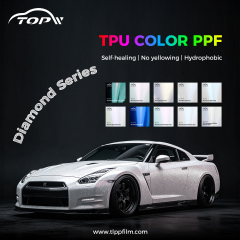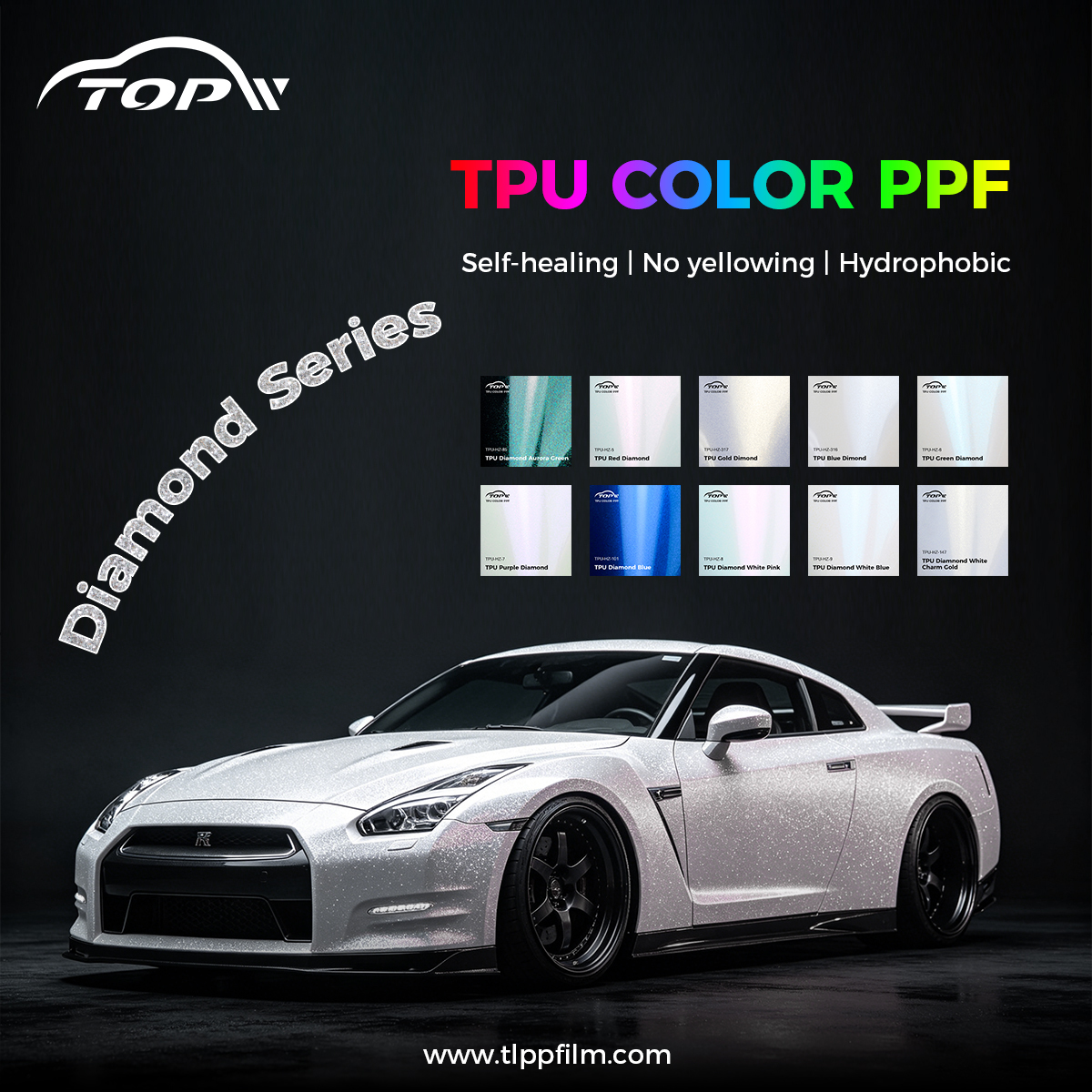
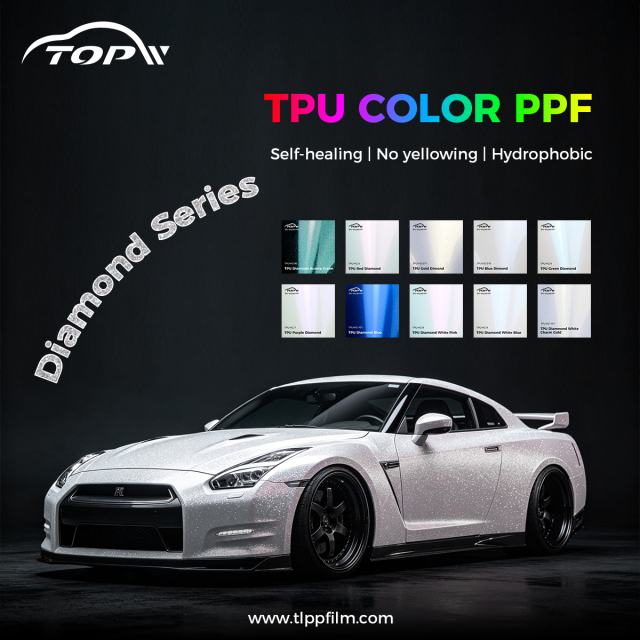
Most glitter wraps are sold on the sparkle and then disappoint in person, because the flake sits proud of the surface and catches everything — towels, grit, fingernails. The TopW Diamond Series TPU Color-Changing Film is built the other way round: a deep gloss color first, with diamond-cut flake held inside the color layer and sealed under one continuous clear topcoat. From ten paces a door reads as liquid gloss paint; up close, in sun, it lights up.
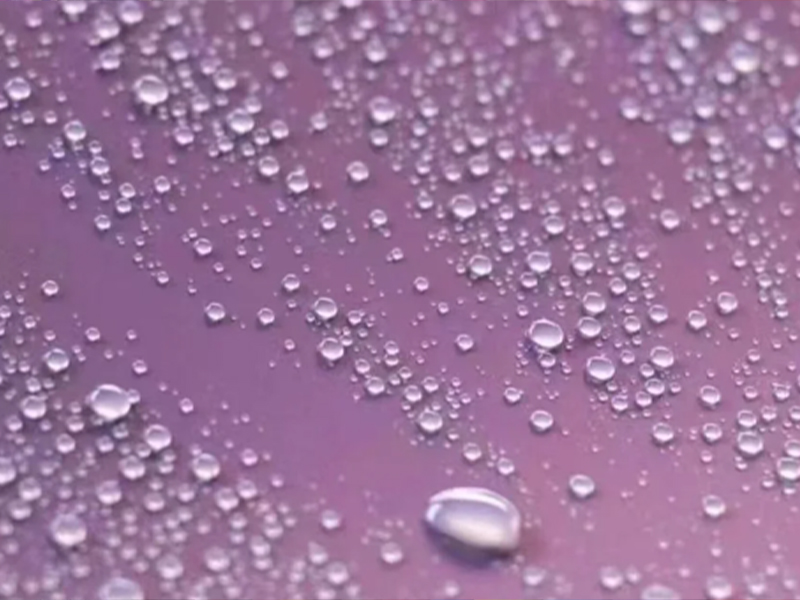
That order matters on a car that is driven. The 7.5 mil TPU underneath works like a protection film — stone chips, road grit and light abrasion stop at the film instead of the paint — while the topcoat carries the water beading and the heat-activated healing. Nothing abrasive ever reaches the flake, so the sparkle cannot be washed dull or rubbed flat.
Five shades carry the range: Red Diamond, Gold Diamond, Blue Diamond, Green Diamond and Purple Diamond. Rolls and plotted panel sets both go out to the trade.
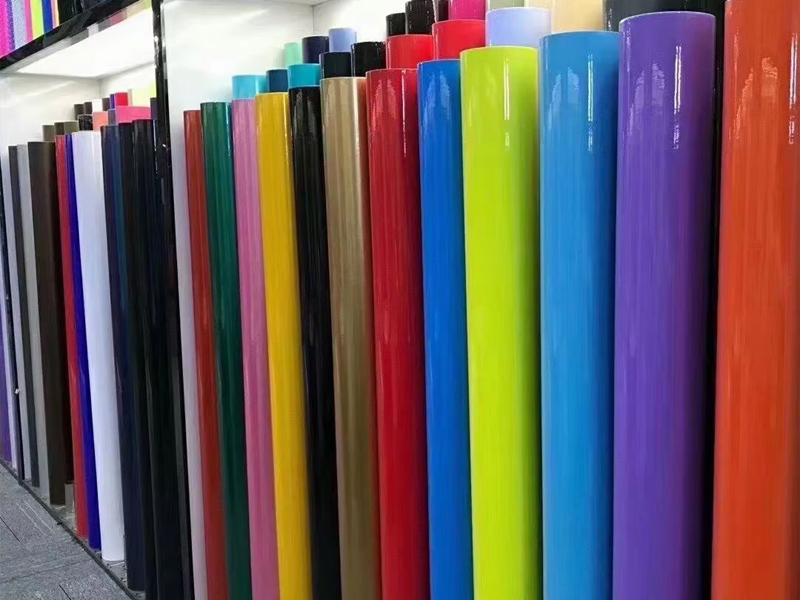
| Shade | Character on the panel | Builds it suits |
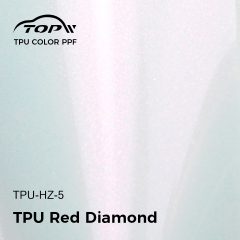
| Red Diamond | Saturated red with a warm flake, at its boldest in direct sun | Show cars, statement roofs, event builds |
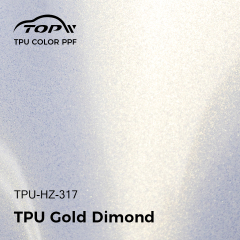
| Gold Diamond | Champagne gold with a soft shimmer rather than a hard metallic | Warm luxury looks, accents and mirror caps |
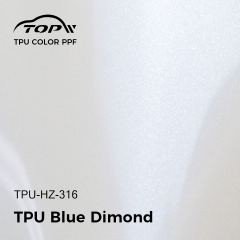
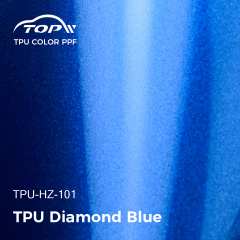
| Blue Diamond | Mid-blue with cool, evenly spread sparkle | Daily drivers, demo cars, dealership stock |
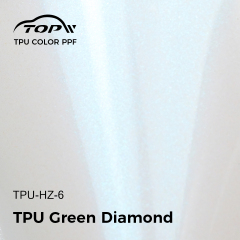
| Green Diamond | Rich green with a lively flake that moves as you walk past | Fairings, feature panels, two-wheel builds |
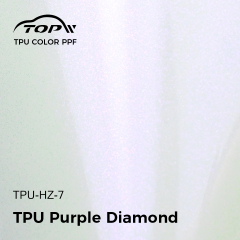
| Purple Diamond | Deep violet that gains depth as the light drops | Evening events, restyling, part-wraps |
A Diamond roll is a laminate rather than a printed sheet, and the order of the layers is the thing worth understanding. The base is 7.5 mil thermoplastic polyurethane — stretchable enough to follow a bumper return, elastic enough to settle back instead of staying stretched. Over it sits the color layer: gloss pigment carrying diamond-cut flake. A continuous clear topcoat seals the full width of the roll, and USA Ashland adhesive sits on the back.
That build is why this TPU color-changing film holds its shade instead of drifting amber. The clear layer is a non-yellowing formula, which matters more on a colored film than on a clear one, because a coating that shifts takes the color with it. Service temperature runs from -40 °C to +140 °C, so a car can sit through a hard winter and a summer bonnet in the same year. Removal is a clean peel with nothing left on the paint.
Every shade in the series is gloss. There is no matte or satin Diamond, and the sparkle only works on a gloss surface — a flat topcoat scatters the light and leaves the flake looking speckled rather than lit.
Heat is the only tool the topcoat needs. Light marring — wash haze, a fingernail drag, a soft scuff from a strap or a ring — closes again after an afternoon in the sun or a pass with a warm-air gun. What heat will not do is rebuild a cut: if a nail catches in the mark, the color layer has been opened and that panel is replaced, not warmed.
Two habits keep a Diamond panel looking new. The first is refusing the abrasive pass; a cutting compound or a wool pad on a rotary takes off the very coating that reflows, so a panel polished back to gloss has traded away its ability to heal. The second is washing: pH-neutral shampoo, a clean mitt, plenty of water, no brush rollers, and a pressure-washer lance kept away from the seams. Rinse bird lime, tree sap and insect remains off the day they land — the hydrophobic surface holds them on top rather than letting them etch in, but it will not hold them forever.
A wrap that lives outdoors will show light marks between details. The useful thing to say at handover is that this car wrap film closes them again with warmth, so the owner never reaches for polish.
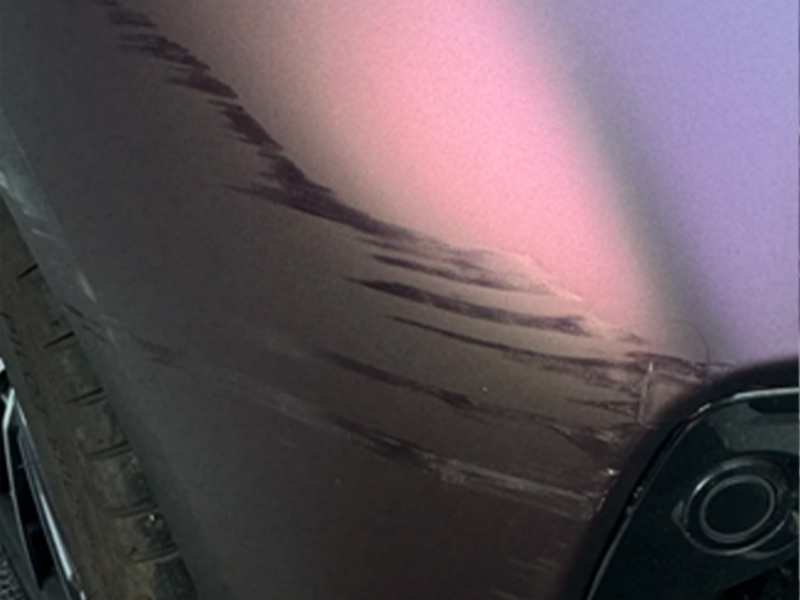
The flake never sits in the layer that heals. In this TPU color-changing film the diamond-cut flake is dispersed through the color layer and then sealed under one continuous clear topcoat across the full width of the roll, so the surface that reflows under heat is plain clear film — the same clear film over a flake-dense area as over flat pigment. There is no edge where healing stops because the sparkle begins, and no reason to hold heat longer over the glitter than over the rest of the panel.
What the flake changes is how a mark reads. Light marring scatters light in a gloss topcoat, and on a plain panel that shows as a faint haze. On a Diamond panel the same haze lies over the sparkle and flattens it, so the first sign of wash marring is usually a patch that looks duller in shade rather than a scratch anyone can point to. Warmth brings the gloss back and the flake with it. Expect that conversation more often on Blue Diamond and Purple Diamond than on Gold Diamond, because a darker panel holds more contrast against a hazy patch.
A mark that cuts through is a different matter, and it is worth settling at handover. The flake is a visual layer, not a barrier: a stone chip, a blade slip or a crease pulled too hard at a bumper return opens the color layer, and the break stays. Keep blades shallow, cut with knifeless tape where the pattern allows it, and work heat warm and moving — the topcoat answers to warmth, not to a concentrated blast parked on one spot, which can leave a gloss mark that later warming will not lift.
For the owner the practical line is short: this car wrap film closes its own light marks, so the panel should never be polished to bring the shine back. Compounding takes off the coat that heals, and once it is gone the sparkle stays flat for good. Wash it, warm it, and leave the abrasives in the cabinet.
TopW (Guangzhou Tongli Film Co., Ltd.) has manufactured automotive film in Guangzhou since 2001, with 714 people, our own modern factory, standardized production workshops and a professional testing laboratory on site. We supply the trade only, so stock is held for immediate dispatch and orders leave quickly. The categories we make let a partner complete a full shelf from one supplier, with OEM/ODM, custom packaging and complimentary logo design. Every batch is inspected before dispatch, and we share production and packing photos or video — or arrange a live video inspection — on request.
Sealed under it. The flake is dispersed through the colored TPU layer, then one continuous clear topcoat is laid across the full width of the roll. Run a fingernail over a swatch and it feels smooth, because what you touch is clear film rather than flake — which is also why a wash mitt or a squeegee cannot dull the sparkle.
It depends on the depth. Wash haze, a fingernail drag or a soft scuff sits in the topcoat and closes with warmth — an afternoon in the sun or a warm-air pass. A stone chip that breaks the surface, a blade cut or any mark a fingernail catches has reached the color layer, and no amount of heat will close it; that panel is replaced.
In the stretched area, yes. Pulling a deep return draws out the color layer and thins the flake there, which reads as a paler patch against the rest of the panel. Keep heat warm and moving instead of parked on one spot, spread a tight recess over as much film as you can, and post-heat the edge once it is seated.
Much like it does on a show car, because the construction is identical. On a daily driver a color changing film for cars is judged on chips, sun and washing: it takes stone chips at the leading edge, resists the ambering a colored coating shows first, and closes light wash marks with warmth. The sparkle simply becomes part of the car's normal gloss.
Because the finish is gloss with flake in it, and both respond to the angle of light as it moves across the panel. A camera flattens all of that into one frame, so the same panel can look like plain gloss in one shot and like bright flake in the next. Judge a shade on a physical swatch in daylight, and expect it to read a step lighter in direct sun than it did indoors.
It can be washed and wiped, but not compounded. A cutting compound or a wool pad on a rotary removes the coating that reflows, and once that layer is gone the panel no longer heals — it just stays hazy. Treat this car wrap film like a fresh gloss clear coat: warmth for light marring, pH-neutral shampoo for everything else, and no abrasives.