Our color changing film for cars are special for dazzling color-shifting effects, featuring self-healing and fade-resistant. Backed by a 10-year warranty, bubble-free install and residue-free removal, for unique, eye-catching styling and long-term paint protection.
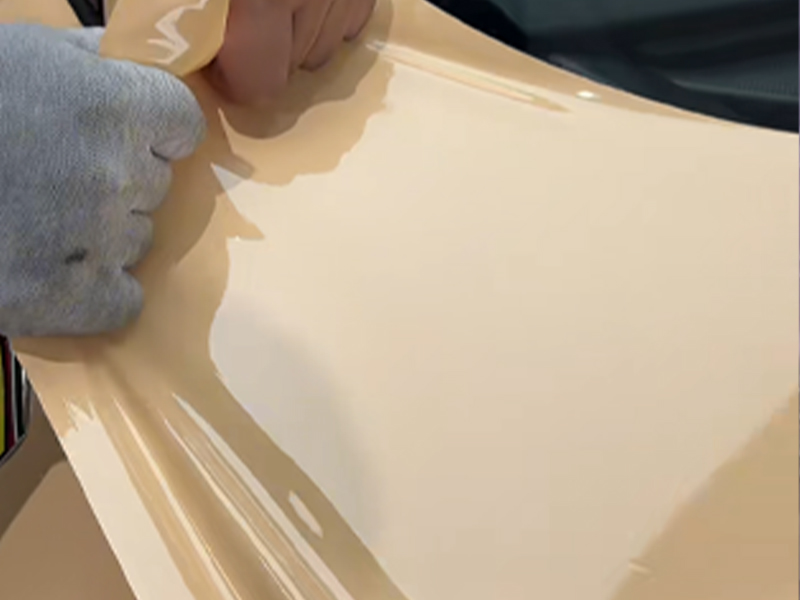
Car Color Changing Wrapping Film is designed for hassle-free installation, this colorful TPU color-changing film applies bubble-free and can be removed cleanly without leaving any residue or damage to the original paint.
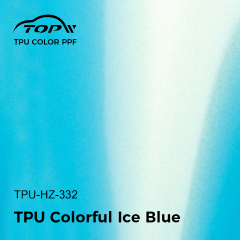
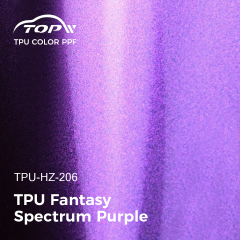
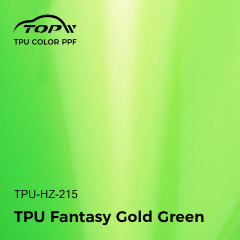
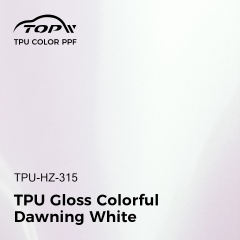
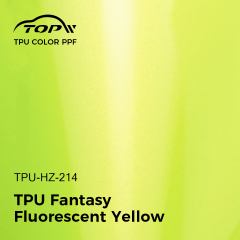
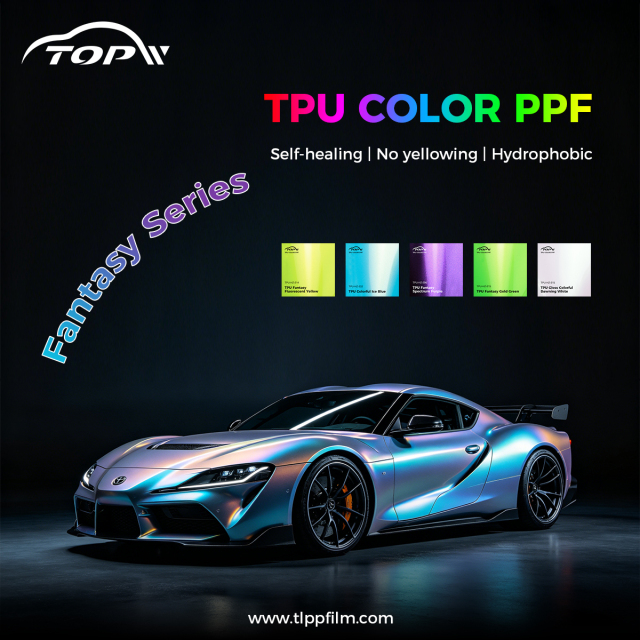
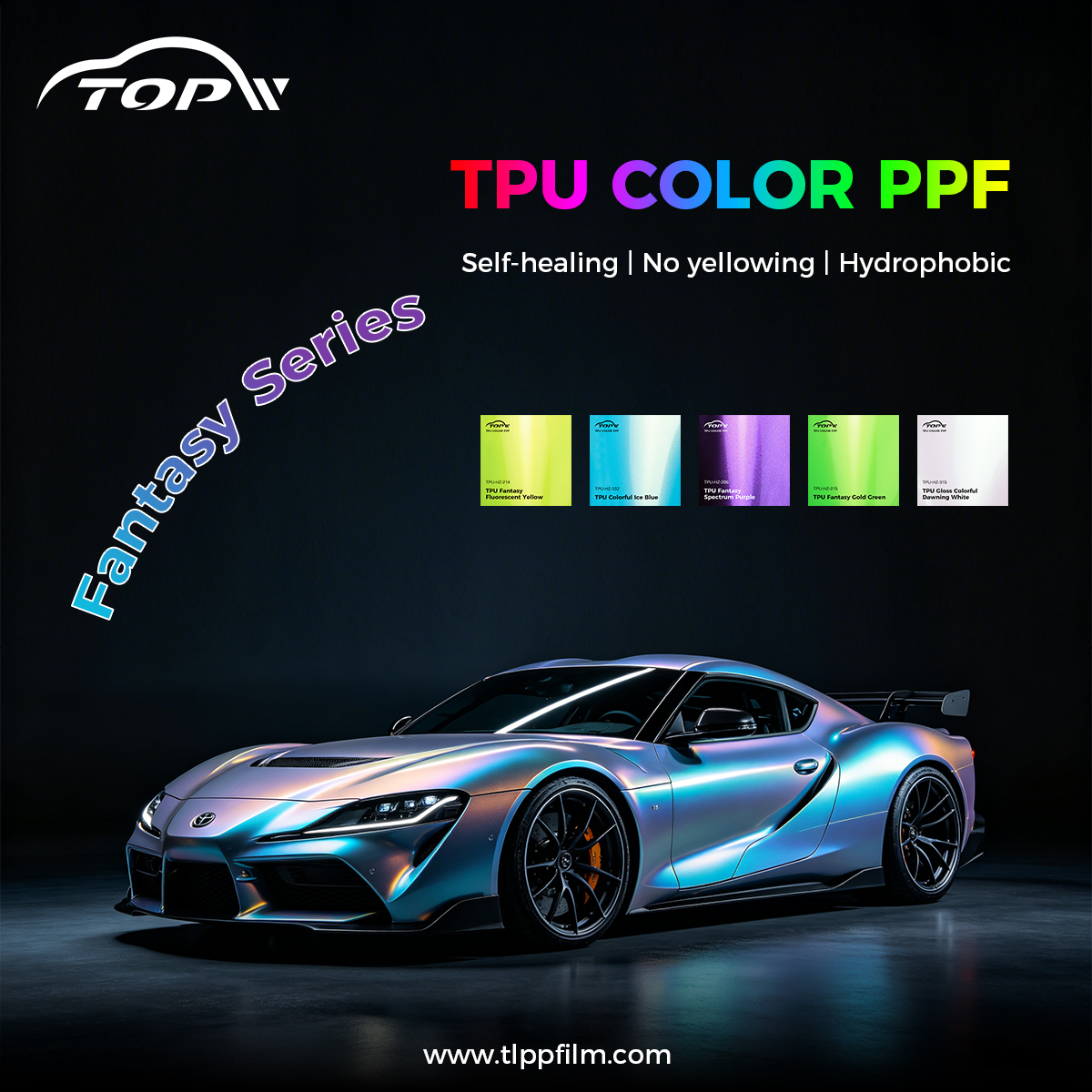
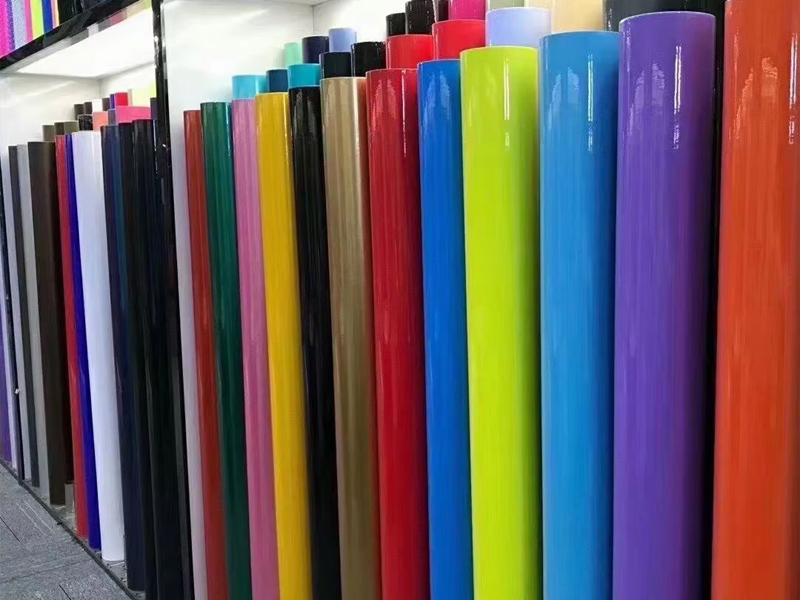
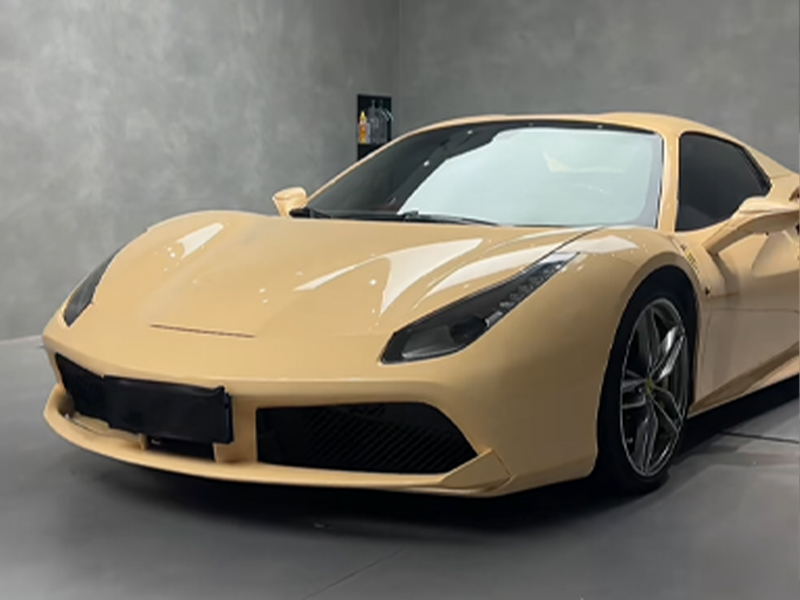
The Fantasy Series is the high-visibility end of our TPU color-change range. Every shade in it is built around movement: the panel changes tone as light moves across it, so a car that looks pale blue under an overcast sky can flash violet, green or gold when it turns into direct sun. That shift is the reason this series exists, and it is why the five shades carry names like Spectrum Purple and Gold Green instead of a paint code.
Under the color sits a thermoplastic polyurethane film, not a PVC vinyl. TPU stretches and recovers, so an installer can push it around a mirror cap, a wheel arch or a bumper return and have it stay where it was put, and it keeps that behavior years later instead of hardening. The clear topcoat above the color is where the practical protection lives: it takes the stone chips, road grit, wash brushes and bird lime that would otherwise land on the paint, and light marks in it close back up with heat.
Color change comes first here and protection comes second, but both happen at once. A customer gets a different look without giving up the factory finish, because the paint stays sealed and untouched underneath and the film comes off cleanly when the owner wants the original color back. That reversibility is what makes the series work on leased cars, dealer stock and collector vehicles, where a permanent color change costs money and value at the same time.
We supply the trade: wrap and detailing shops adding a statement line, distributors who need a color-shift assortment on the shelf, and private-label buyers building their own catalog. If you are looking for a color change PPF supplier who can hold a bright palette and talk your installer through the fit, this is the series to start with.
| Film type | Thermoplastic polyurethane (TPU) |
| Thickness | 7.5 mil |
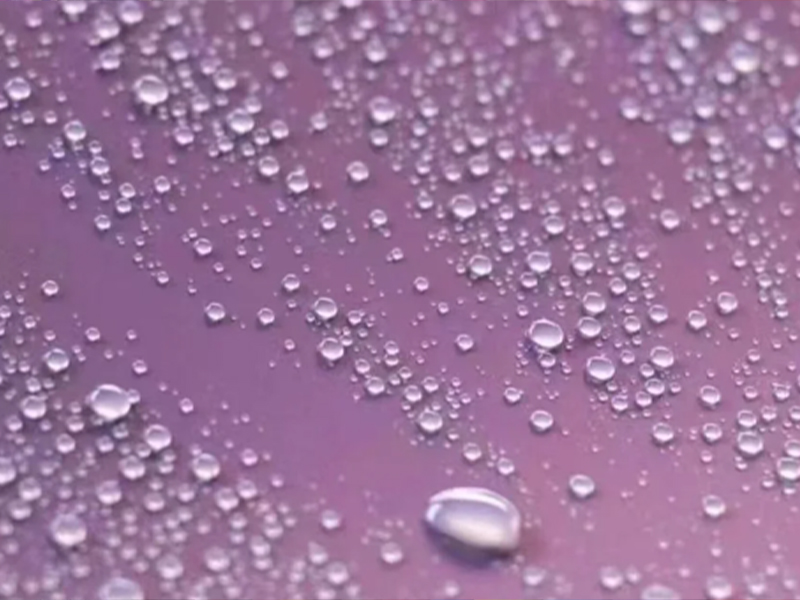
| Topcoat | Hydrophobic, self-healing clear coat |
| Adhesive | USA Ashland |
| Finish | Gloss with iridescent color shift |
| Shades in this series | 5 |
| Temperature range | -40 °C to +140 °C |
| Removal | Clean peel, no residue |
| Warranty | 10 years |
| UV stability | Formulated to resist fading and yellowing |
| Surface behaviour | Water-repellent and stain resistant |
| Installation | Stretchable film, bubble-free fitting over curves and recesses |
| Typical applications | Car body panels, motorcycle fairings, bicycles, yachts and aircraft |
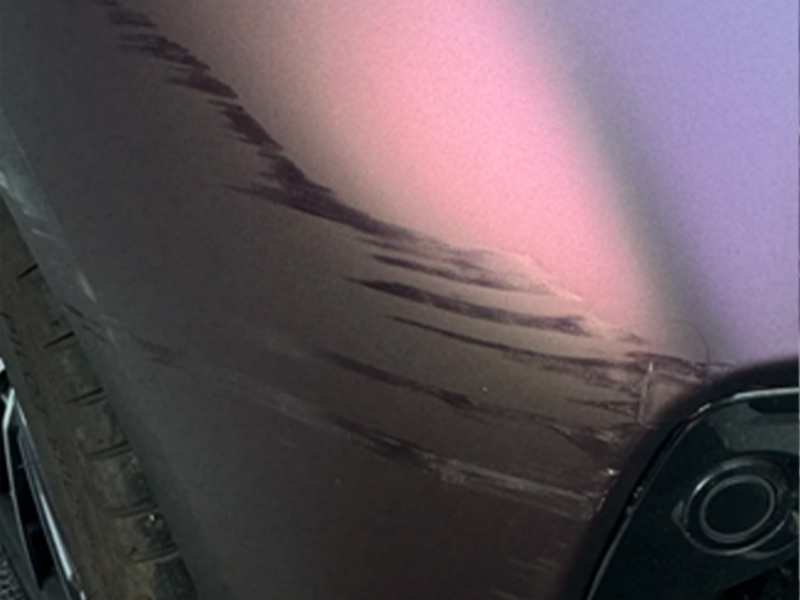
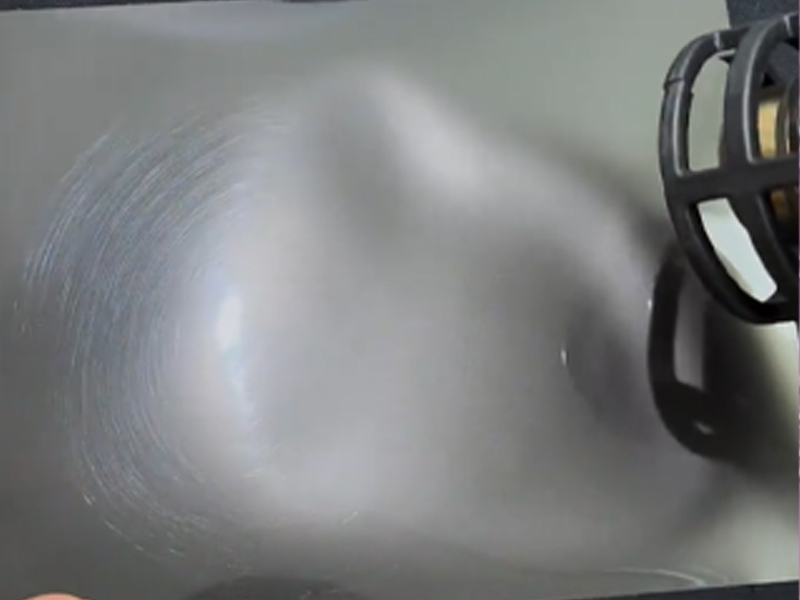
The clear coat on this paint protection film is formulated to flow, and that is the whole of the self-healing story. When a light scuff, a wash swirl or the dull haze left by a drying towel sits in that coat, warmth makes the surface relax back to level and the mark disappears. In practice the heat comes from the sun on a parked car, from a heat gun passed over the panel during a final check, or from warm water and a soft cloth — no polish, no compound, no cutting back the surface.
Be clear about the limit as well. The coat closes marks that sit in the topcoat; it does not mend a cut straight through the film, a tear, or a dent that has deformed the panel underneath. Those need the section replaced, which is one reason a shop should keep offcuts from the same batch on file.
Scratch resistance runs alongside it. The same coat absorbs the grit a wash mitt picks up, the light abrasion of a car cover and the stone chips a low nose collects on the highway, spreading that impact instead of passing it through to the paint. On colored PPF this matters twice over, because the color layer underneath is where damage would really show.
Non-yellowing counts for more on a bright palette than on a clear film. UV exposure is what turns cheaper films dull and yellow after a summer or two, and an iridescent shade that has drifted yellow no longer shifts the way it did on the sample. The topcoat here is built to resist that drift, so the shade a customer approved stays the shade the car wears.
Long-lasting protection is the sum of those parts: a film that keeps its color, keeps its gloss and keeps closing light marks is a film that stays on the car and keeps the paint underneath the way it left the factory.
Repainting a car and wrapping it are two different products with two different economics, and it is worth being straight with a customer about both.
A full respray means stripping trim, masking, spraying, baking and then living with the result. The car is off the road for days, the bill is one of the largest a customer will pay outside the purchase itself, and the original factory finish is gone for good. A film install is measured in hours or a couple of days depending on the panels, it happens in the bay the shop already has, and nothing is permanent — which is why film is a far more cost-effective route to a full-body color change than a repaint.
The value argument goes beyond the invoice. Factory paint left intact under the film is worth money at resale, and on a lease or a company car it means the vehicle can go back in its original color instead of attracting a penalty. A customer who wants a different look next season can have one without another trip to the booth.
For the shop, color change becomes a service that needs no paint booth, no extractor and no painter on staff. Film work uses the same bay, the same lighting and the same crew that already fits paint protection film, so the margin comes from the skill you already employ rather than from new equipment.
Paint still wins in two places, and it is worth saying so out loud: rust repair and dent filling are bodywork, not wrapping, and a panel that needs either has to be sorted before any film goes on. Once the body is sound, the film is the faster, reversible answer — and that is usually the version of the job the customer actually wants.
Most of the shops we supply came to a color change PPF supplier for exactly this reason: they were turning away color-change enquiries because a paint shop was the only option they could offer.
The hardest question to answer honestly about any iridescent colored PPF is whether the roll that arrives next month will look like the swatch you approved this month. Color is the one part of a wrap nobody can check with a gauge, and on a film that moves through three tones as the light changes, a small drift in the color layer is obvious across a full body panel and very hard to argue about afterwards. So here is how we hold the shade steady, and what to do if it ever is not.
Every shade in the Fantasy Series has a reference standard kept against production, and the film is checked against it before packing rather than after a complaint. Our testing laboratory sits on the same site as the coating line, so a batch that reads off can be caught and held before it reaches a container instead of being discovered in your bay six weeks later.
Order the whole vehicle from one production run. Color shift shows up most where two panels meet — a door against a front wing, a bonnet against the A-pillar — and a part roll from a different run is where a mismatch appears first. Tell your sales contact the panel count and we will quote from a single batch so the car, and the next car like it, shift in step. The batch reference is printed on the core, so write it on the job card rather than only on your purchase order; if a customer comes back about a panel two years later, that number is what lets us match a replacement to the film already on the car.
Before a large order, hold a physical sample under your own bay lighting and get the customer to sign off on it. Screens lie about color shift: the same shade photographed on an overcast day and under a showroom lamp can read as two different films. Keep the approved sample on file, and keep an offcut from each install with the batch reference written on it — that offcut settles any later conversation about whether the film has changed or the light has.
Inspect the delivery the day it lands, under the lighting you install in, before it goes into stock. If a roll does not match the reference you were given, photograph it next to the approved sample and send us the batch reference from the core; we will compare it against the retained reference and, where the batch is at fault, replace it from the same run rather than leave you explaining it to a customer.
The other half of shade consistency is time. A film that fades or yellows after a summer has changed its shade just as surely as a bad batch, which is why the topcoat on this car wrap film is formulated to resist UV drift and not only to shed water. The 10-year warranty stands behind that behavior; ask your sales contact for the written policy and the claim procedure, and record the batch reference at the time of install so a claim can be traced back to its run.
TopW (Guangzhou Tongli Film Co., Ltd.) has manufactured automotive film in Guangzhou since 2001, with 714 people, our own modern factory, standardized production workshops and a professional testing laboratory on site. We supply the trade only, so stock is held for immediate dispatch and orders leave quickly. The categories we make let a partner complete a full shelf from one supplier, with OEM/ODM, custom packaging and complimentary logo design. Every batch is inspected before dispatch, and we share production and packing photos or video — or arrange a live video inspection — on request.
Genuine TPU. The substrate is Lubrizol material and the adhesive is USA Ashland, and both are named rather than hidden behind a generic claim. What that gives you in the bay is stretch with memory: the film conforms around a compound curve and stays there instead of thinning, whitening or springing back the way a cheaper PVC film does. It is also why the film resists yellowing under UV and peels cleanly at the end of its life.
Not on sound factory paint. Warm the panel gently, peel slowly at a consistent angle and the adhesive travels with the film, leaving no residue and no ghost outline of the panel behind it. Two situations deserve a test piece first: an aftermarket or recently cured respray, and any panel with existing stone damage or lifting clear coat, because the film can only be as sound as the surface under it.
Yes, within normal road use. Sun, rain, snow, road salt and repeated wash cycles are the conditions this film is built for, and the topcoat is formulated not to crack, peel or fade under them. The first place weather shows is the edges, which is why edge sealing and the post-heat step matter so much during the install — a properly sealed edge is what keeps a film on a car through winter.
We make the film rather than reselling someone else's, and we supply the trade only, so the specification holds from one order to the next. Across the range that means Lubrizol TPU, a USA Ashland adhesive and a hydrophobic self-healing topcoat as standard rather than as an upgrade. In practice a shop can standardize on one supplier for clear film, color change film and window film and get the same batch discipline on all of it.
Treat any screen as an indication, not a match. An iridescent colored PPF changes with angle, with light temperature and with the panel it sits on, so two photographs of the same shade can look like two different films. Check a physical sample under your own bay lighting, and ask your sales contact for current production photos or video of the batch you would be receiving so you know what is actually shipping.
Colorful Ice Blue, Gloss Colorful Dawning White and Fantasy Gold Green are the three most shops put on a full body: they shift, but they still read as one color from across the lot. Fantasy Spectrum Purple and Fantasy Fluorescent Yellow are stronger and are often used on a roof, mirrors or a spoiler against a quieter body color. Running two shades on one car works well — order both from the same production run so they shift in step under the same light.